The Power of Mentorship as We Age: Why It Matters and How to Find the Right Guide
As we navigate adulthood, we often assume mentorship is something left behind in our school years or early career. The truth is, the need for mentors doesn’t fade with age; it evolves. Whether we’re shifting careers, entering retirement, or exploring new aspects of ourselves, a trusted mentor can provide clarity, wisdom, and connection.
Mentors are more than just advisors. They are people who help us grow by offering perspective, accountability, and encouragement. While we may think mentorship is for the young, research consistently shows that mentorship benefits adults of all ages, especially as we face new chapters and challenges.

The need for mentors doesn’t fade with age; it evolves.
A Personal Reflection: What Happens When We Don’t Have Mentors?
I was recently in a session with a client discussing who in their life, outside of friends and family, they consider a mentor. I suggested it could be a former teacher, professor, coach, or professional contact. The client, in their 60s, was perplexed. At their age, they couldn’t name a single person they’d consider a mentor—not now, and not even during childhood, adolescence or young adulthood.
Even as we explored who they might have turned to for support when they were younger, they still couldn’t identify a trusted adult. This moment was a sobering and powerful reminder: not everyone has access to healthy guidance, and the absence of mentorship can have long-lasting effects.
Research shows that the more healthy adult connections adolescents have early in life, the better equipped they are to handle life’s stressors. But mentorship isn’t just for kids. Adults also need strong, supportive relationships to thrive. Mentorship is one way to foster that connection, no matter your age. Read more about the importance of mentorship across the life stages in this article called Why Mentorship Still Matters Across Life Stages – Forbes

Mentorship isn’t just for kids. Adults also need strong, supportive relationships to thrive.
Why Mentorship Still Matters at Every Life Stage
Navigating Career Changes and Life Transitions
From promotions to pivots, job losses to entrepreneurial dreams, adulthood is full of transitions. A mentor can provide practical advice and emotional support during uncertain times. According to Harvard Business Review, 84% of CEOs said they wouldn’t have reached their level of success without mentorship. Read more here.
Lifelong Learning and Skill Development
We’re never done learning. Whether it’s digital literacy, emotional intelligence, or leadership, a mentor helps us sharpen skills faster. Research in the Journal of Vocational Behavior links adult mentorship with higher levels of job satisfaction, self-efficacy, and performance.
Mental Health and Social Connection
Mentors often serve as sounding boards and steady emotional anchors. Studies show that adults with mentors experience greater life satisfaction, less anxiety, and stronger coping mechanisms during stressful periods. Read more about the importance between mental health and social connection via this article.
Personal Growth and Purpose
From parenting adult children to exploring late-in-life goals, a mentor can help us find direction and meaning. They offer a different lens, helping us reflect on our values and reimagine what’s possible. Mentors don’t always have to be people we know in real life. They can be spiritual leaders, authors, musicians, artists, or other figures whose values and guidance align with our goals.

Mentorship matters at every life stage.
How to Find a Mentor at Any Age
Finding a mentor as an adult might feel unfamiliar, but it’s more accessible than you think.
Tap Your Network
Start by identifying people you admire whether that is colleagues, former professors, or community members. Reach out authentically and express what kind of guidance you’re seeking.
Join Communities of Interest
Professional groups, volunteer organizations, or local clubs can connect you with mentors naturally. Platforms like LinkedIn, Meetup, and Eventbrite often host networking opportunities.
Try Peer Mentorship
Your mentor doesn’t have to be older or more experienced—they just need a different perspective. Peer mentorship encourages mutual growth and accountability. In fact, I have a handful of professional mentors who are younger than me, which is amazing because they have so much to teach me.
Consider Structured Programs
Look into coaching, mastermind groups, or nonprofit mentorship programs such as SCORE (for entrepreneurs), Big & Mini, or even church and community center offerings.
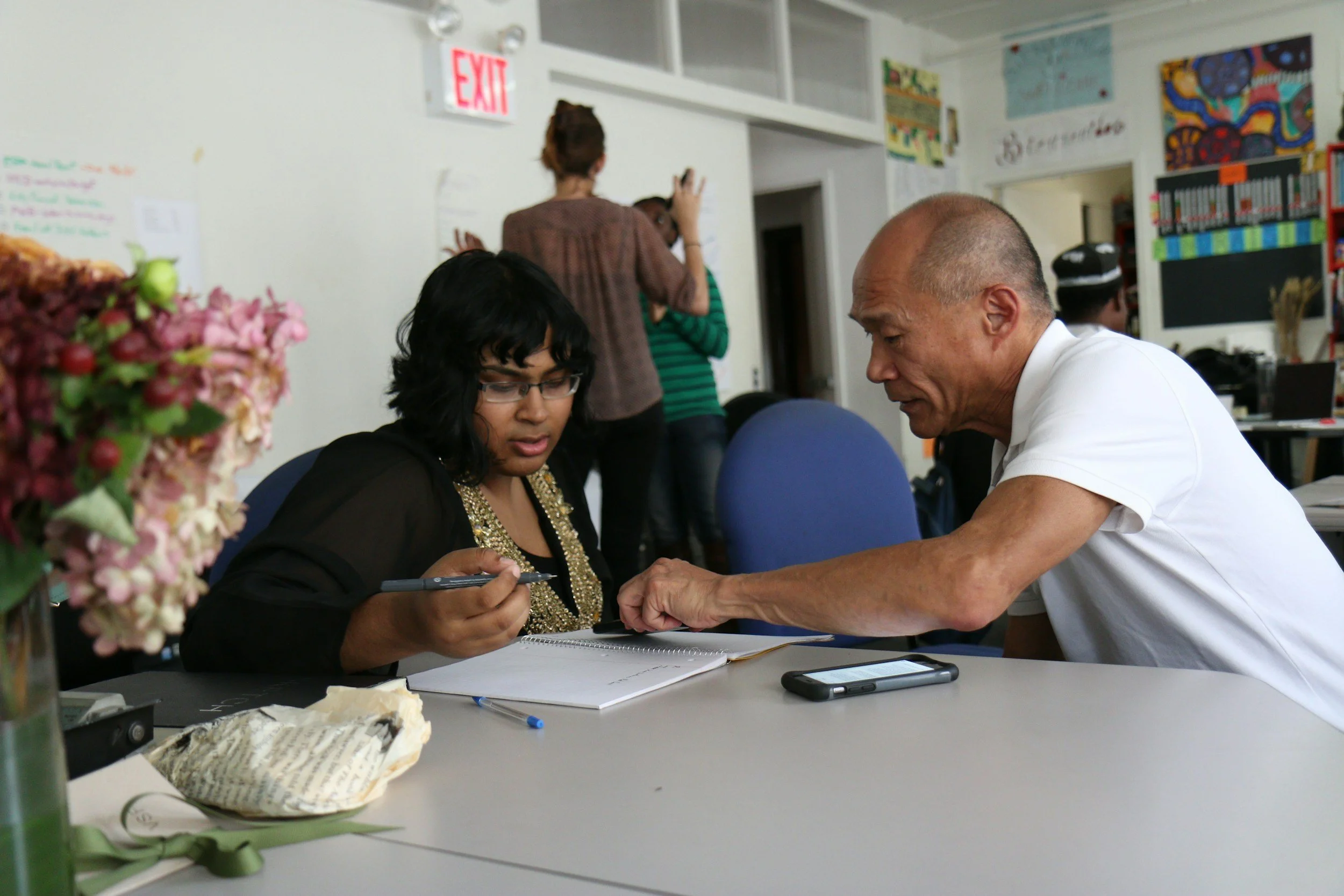
Your mentor doesn’t have to be older or more experienced—they just need a different perspective.
Tips for a Successful Mentorship Relationship
Be clear about your goals: Know what you want to learn or explore.
Respect their time: Come prepared for meetings and follow through.
Stay open: Growth requires honesty and sometimes tough feedback.
Keep it mutual: Share your insights too—great mentorship is reciprocal.
Final Thoughts
It’s never too late to seek the guidance you may have missed earlier in life. Mentorship is not only a tool for helping us achieve, it’s a foundation for connection, resilience, and purpose. As we age, these relationships become even more meaningful, helping us navigate change with greater confidence and clarity.

Mentorship is the foundation for connection, resilience, and purpose.
Let’s stay in touch. Who is your mentor? Take a moment to reflect and tell us who do you turn to for guidance outside of friends and family? Drop their name or a thank-you note in the comments below. Let’s celebrate those who guide us, at every stage of life.
For a free 15-minute consultation to see if I might be a good fit for your needs, please contact me at:
📞 (303) 847-5224
📧 wildstrengththerapy@gmail.com